
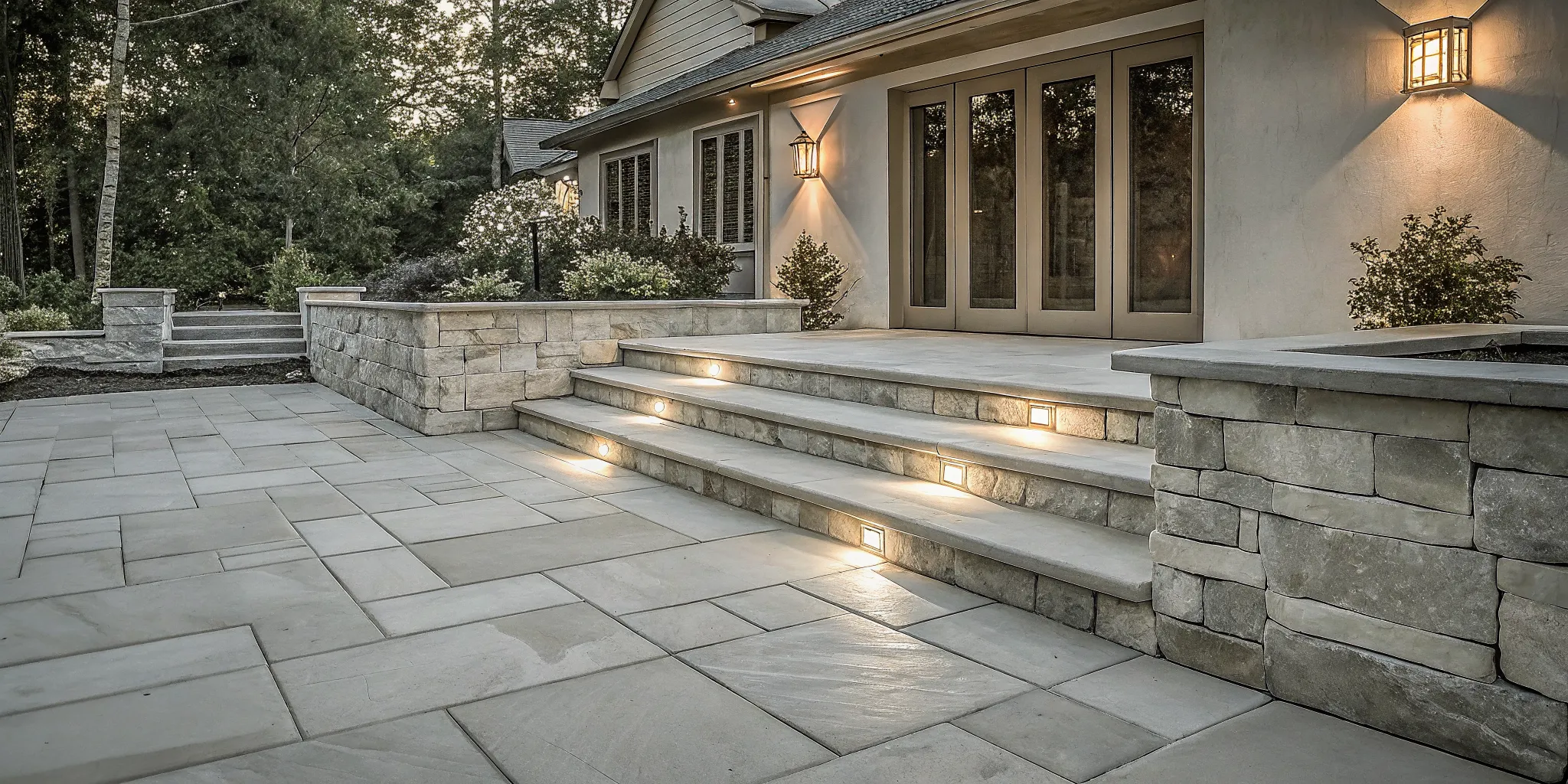
How much does a retaining wall cost typically depends on national averages and the unique needs of your property. Most home projects fall into a typical price range of $3,500 to $10,000 for standard walls. Walls over four feet tall often cost between $15,000 and $25,000 or more because they need expert permits. Standard material costs generally run between $20 and $50 per square foot. Premium natural stone options may range from $25 to $70 per square foot. These prices cover the digging, drainage pipes, and high-quality materials needed for a wall that will last for decades. According to LawnStarter, the national average for a wall built by experts typically sits between $5,500 and $6,300.
Knowing these broad price ranges is the first step in planning your property's structural project. While national averages provide a useful starting point, your final cost depends on local material supply and the unique slope of your yard. We want to ensure you have the most accurate data before you start your project. To help you budget for your specific needs, we break down the costs by project type and material below.
Before you call a contractor, you need to understand what drives the price. Wall height, material choice, site access, and drainage needs all play a role. A low garden wall might cost as little as $2,000, while a tall engineered wall holding back a steep hillside can easily top $25,000. The difference comes down to engineering, permits, and the quality of the materials you choose. In the following sections, we cover every cost factor so you can make an informed choice for your property.
How Much Does a Retaining Wall Cost? A National and Regional Perspective
The cost to build a retaining wall often ranges from $3,500 to $10,000 for most home projects. Across the country, the average cost for a pro job falls between $5,500 and $6,300. These figures cover the labor and stone needed to fix a slope or level a yard. For people in the Mid-Atlantic region, costs may vary based on the land and the choice of fine stone.
National average costs by project type
Project size is the main driver for price. Most pros find costs by the square foot. Rates often fall between $20 and $50 per square foot for standard materials. Small garden walls under three feet tall usually cost between $2,000 and $6,000 as stated by Colonial Classics. These low walls define plant beds and look great without the need for complex structural plans.
Mid-sized walls between three and five feet tall often cost $6,000 to $15,000. These walls need deep footings and geogrid mesh to hold back the soil load safely. If a wall exceeds four feet, it typically requires a permit and a stamped engineering plan. These larger engineered walls can cost $15,000 to $25,000 or more. The EPA notes that soil loss can lead to costly foundation damage.
Breaking down costs by material
Concrete blocks are the most common choice for residential walls at $20 to $35 per square foot. They offer a clean, modern look with excellent structural strength. Natural stone sits higher at $25 to $70 per square foot but provides unmatched beauty and durability that can last a century. Poured concrete systems range from $10 to $100 per square foot depending on reinforcement and finish. Timber walls are the budget option at $15 to $30 per square foot but only last 10 to 15 years before rotting.
Regional factors in the Mid-Atlantic
In areas like Delaware and Pennsylvania, soil type and yard slope change the final price. Heavy clay soil may need extra aggregate and drainage pipes to move water effectively. These drainage components can add $500 to $2,000 to the total cost. Site preparation such as tree removal or grading also adds to the bill. Labor rates in the Mid-Atlantic tend to run higher than the national average. Our handcrafted hardscaping services focus on building walls that combine structural integrity with the refined look your property deserves.
What Factors Drive Retaining Wall Costs?
The total price to build a retaining wall depends on many site-specific factors. While material choice is a big part of the budget, the force of the soil and the height of the wall often set the final price.
Wall height is the primary cost driver
Wall height is the single biggest factor in determining cost. As a wall gets taller, the soil pressure pushing against it grows exponentially. Most local building codes require engineered stamped plans for walls over four feet tall. These engineering plans typically cost between $500 and $2,500. Each foot above three feet demands deeper footings, more reinforcement, and stronger materials to keep the wall stable.
For walls over three feet, contractors must install geogrid reinforcement mesh that ties the wall back into the soil. This geogrid adds $5 to $10 per square foot to the total material cost but is essential for preventing wall failure. Professional builders follow construction guidelines from the National Institute of Standards and Technology to ensure long-term safety and performance.
Site preparation and drainage systems
Before any stone or block is laid, the site must be properly prepared. Prep tasks like clearing vegetation, grading the slope, and excavating for the foundation add $500 to $3,000 to the total cost. If your yard has a steep incline or poor soil conditions, these costs can increase significantly. Proper grading and drainage services are critical for preventing water buildup behind the wall.
Water pressure is the most common cause of retaining wall failure. To prevent this, professionals install perforated drain pipes and gravel backfill behind the wall to redirect water flow. These drainage systems typically add $500 to $2,000 to the project. Investing in good drainage now prevents expensive repairs or a complete wall replacement later.
Accessibility and labor considerations
How easy it is to reach your project site also affects cost. If crews need to hand-carry materials up a steep slope or through a narrow passage, labor time increases. Limited access can add 10 to 20 percent to the labor portion of your quote. The type of material also affects labor costs. Natural stone requires skilled masons who command higher wages, while modular concrete blocks install faster and cost less in labor.
Retaining Wall Materials: Comparing Cost, Durability, and Aesthetics
The material you choose for your wall sets both its style and its lifespan. While price points vary, the true value depends on how many decades the wall stays strong without needing repairs. Premium choices like natural stone deliver a luxury look and exceptional strength that can last a century.
Balancing upfront cost and long-term value
When you factor in the full life of the wall, cheap materials often end up costing more. Timber is easy on the wallet at first but rots within 10 to 15 years, requiring a full replacement. Natural stone and concrete blocks offer a far better return because they last 50 to 100 years with minimal maintenance. Our Esposito Artisan Masonry team specializes in these high-end, long-lasting stone walls.
Modern concrete blocks are a top choice for most residential yards. These systems cost $20 to $35 per square foot and offer a clean appearance with strong structural capacity. For a classic, premium look, natural stone is the superior option. While it costs $25 to $70 per square foot, its unique beauty enhances property value.
| Material | Cost per Sq. Ft. | Lifespan | Best For |
|---|---|---|---|
| Natural Stone | $25 - $70 | 50 - 100 Years | Premium appearance, high property value |
| Concrete Block | $20 - $35 | 50+ Years | Structural walls, best value |
| Poured Concrete | $10 - $100 | 50 - 100 Years | Custom shapes, heavy loads |
| Brick | $30 - $45 | 50+ Years | Classic style, formal gardens |
| Precast Concrete | $20 - $25 | 50 - 100 Years | Quick installation, uniform look |
| Timber | $15 - $30 | 10 - 15 Years | Short-term solution, low budget |
| Vinyl | $10 - $15 | Up to 20 Years | Low decorative walls only |
Why material choice impacts more than price
The material you pick affects more than just the upfront cost. Natural stone walls require expert masons who understand how to fit irregular stones for maximum strength. This craftsmanship is what gives stone walls their timeless character. Concrete block systems offer design flexibility with various colors and textures that mimic natural stone. Poured concrete is ideal for curved walls but needs steel reinforcement to prevent cracking over time.
Durability is a major factor. A properly built natural stone or concrete block retaining wall will outlast your mortgage. Timber and vinyl may save money today but will need replacement well before a stone or block wall would. When you evaluate landscaping return on investment, choosing durable materials that enhance curb appeal delivers the best long-term value.
Why Your Retaining Wall Deserves a Comprehensive Design-Build Approach
When you ask about the cost of a retaining wall, it is vital to look at the project as a whole. A retaining wall is rarely just a stack of blocks or stones. It acts as the backbone for your entire outdoor living space. At DiSabatino Landscaping, we use a full design-build approach to ensure your wall is both strong and beautiful. Our team has over 35 years of experience building luxury landscapes across Delaware, Pennsylvania, Maryland, and New Jersey.
The foundation of terraced outdoor living
A well-built retaining wall creates level land where there was once only a slope. This new flat space is the perfect spot for a large patio, a custom outdoor kitchen, or a landscaped garden with walkways. By using a tiered wall design, you can turn a steep hill into multiple usable zones for dining, entertaining, and relaxation. This integrated method sets the stage for a luxury outdoor living transformation that adds genuine value to your home.
Single-point accountability through design-build
One major benefit of the design-build model is having one team handle every part of the job. DiSabatino operates six specialized divisions under one roof, from artisan masonry to outdoor lighting and landscape architecture. Our staff includes David Mull, a licensed landscape architect and member of the American Society of Landscape Architects (ASLA). Having an expert architect ensures that every wall meets both strict safety standards and your aesthetic vision.
Elite craftsmanship with proven credentials
The look of your wall matters as much as its strength. Our Esposito Artisan Masonry division is led by third-generation Italian stonemasons who bring Old World techniques to every project. We back every hardscape project with a comprehensive 10-year warranty. Our A+ rating from the Better Business Bureau (BBB) reflects our commitment to quality.
Integrated systems for maximum value
To get the most from your retaining wall, plan for complementary features from the start. A complete design can include built-in landscape lighting, custom irrigation for terraced gardens, or built-in seating around a fire pit. With an average project value of about $165,000, we focus on delivering premium, all-in-one solutions. Our design-build process guides you through every step.
Professional Installation vs. DIY: The Hidden Cost of Getting It Wrong
Homeowners often look at the price of a retaining wall and think they can save money by doing the work themselves. While a DIY project can lower initial costs by roughly 30 to 50 percent, the long-term risks are significant. A wall that fails after just a few years costs far more than a professional job from the start.
The real danger of wall failure
Structural failure is the biggest risk with DIY retaining walls. Without proper footings and a compacted gravel base, the wall will shift as the ground settles. Many homeowners also miss the 1/3 rule, which states that the base width should be at least one-third of the wall's total height. Professional crews follow engineering standards to ensure every wall meets safety requirements. Learn more about why professional hardscaping matters in our guide to professional versus DIY landscaping.
Poor drainage is another common cause of failure in DIY walls. When water builds up behind the structure, it creates hydrostatic pressure strong enough to crack concrete. Professionals prevent this by installing perforated drainage pipe and gravel backfill. According to the EPA, proper drainage is a critical component of stable retaining wall construction.
Building for the long term
The materials you choose and how they are installed determine how long your wall lasts. DIY projects commonly use timber because it is cheap and easy to work with. But timber walls only last 10 to 15 years before they rot. In contrast, concrete block and natural stone walls last 50 to 100 years when installed correctly. Professional teams add geogrid reinforcement for any wall taller than three feet. This extra strength prevents soil shifting and keeps the wall stable for decades.
When you hire a professional, you receive a warranty that protects your investment. If a DIY wall fails, your homeowners insurance may not cover the claim because the wall was not built to code. Professional contractors handle all permits and stamped engineering plans for tall walls. They also manage complex site conditions like poor soil or steep slopes. The peace of mind from a professionally engineered retaining wall is worth the higher upfront cost for any serious outdoor project.
Frequently Asked Questions About Retaining Wall Costs
A 100-foot retaining wall typically costs between $6,000 and $25,000 installed. The final price depends on the wall's height and materials used. A 3-foot wall made of concrete blocks might run $6,000 to $10,000. A 4-foot natural stone wall can cost $20,000 or more. Walls taller than 4 feet need engineered plans, deeper footings, and geogrid reinforcement.
Do retaining walls increase home property value?
Yes, a professionally built retaining wall can increase your property value by creating usable flat space for gardens, patios, or outdoor kitchens. These walls also prevent soil erosion and protect your foundation from water damage. According to our guide to landscaping ROI, premium hardscape features are among the best investments for boosting home value.
What is the cheapest retaining wall material?
Pressure-treated timber and vinyl are the cheapest retaining wall materials upfront. Timber costs $15 to $30 per square foot while vinyl runs $10 to $15 per square foot. However, these materials do not last as long as stone or concrete block. Timber needs replacement within 10 to 15 years, making cheap materials more costly over time because you pay for labor twice.
Does a retaining wall require a building permit?
Most municipalities require a building permit for retaining walls over 4 feet tall. These walls also need stamped engineering plans that cost $500 to $2,500. This process ensures the wall meets local safety codes and is designed for your specific soil conditions. Professional contractors handle all permit applications and inspections. Low garden walls under 3 feet typically do not need a permit, but rules vary by location.
What type of retaining wall offers the best value?
Concrete block retaining walls offer the best value for most residential projects. They cost $20 to $35 per square foot and last 50 years or more with proper installation. Modern blocks come in colors and textures that mimic natural stone at a lower price. While natural stone offers superior aesthetics, concrete block provides the best balance of cost, durability, and appearance. A professional hardscaping contractor can help you choose the right material.
How much does a retaining wall cost per square foot installed?
Retaining wall installation costs range from $20 to $50 per square foot for standard materials. Natural stone is higher at $25 to $70 per square foot due to the skill required for proper installation. This price typically includes excavation, base preparation, drainage materials, and labor. It does not usually include engineering fees, building permits, or specialty site work like tree removal.
Build a Retaining Wall That Lasts
A retaining wall is more than a fix for a sloped yard. It is the foundation for a transformed outdoor living space that adds real value to your home. When you work with DiSabatino Landscaping, you get a team with over 35 years of experience. Licensed landscape architects, third-generation artisan masons, and a 10-year warranty that protects your investment. Do not wait until erosion, drainage problems, or a failed DIY wall cost you more in the long run. Our design-build team handles every aspect from engineering and permits to final stone placement. We serve homeowners throughout Delaware, Pennsylvania, Maryland, and New Jersey with premium hardscaping solutions built to last for generations.Call (302) 764-0408 or schedule a consultation to discuss your retaining wall project with a DiSabatino expert.