
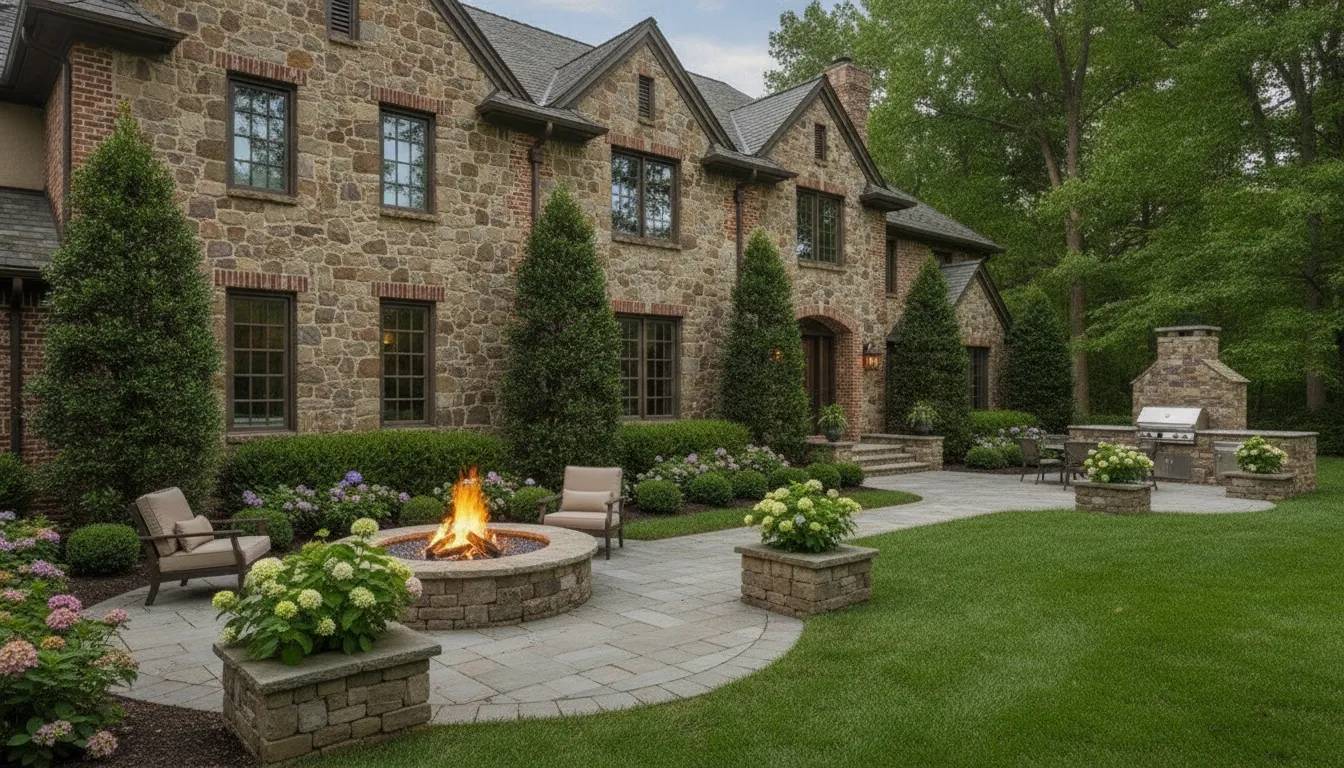
Masonry restoration helps preserve the character, performance, and long-term value of an older home. In the Delaware Valley, brick foundations, stone walls, chimneys, steps, and walkways often carry the visual history of a property. They also face freeze-thaw cycles, wind-driven rain, runoff, and years of repairs that may not have used compatible materials. A thoughtful restoration begins with understanding what the masonry is telling you, not with covering up the first visible crack.
Schedule a masonry restoration consultation with DiSabatino.
What is masonry restoration?
Masonry restoration is the careful assessment and repair of existing brick, stone, mortar joints, and related water-management details. The goal is to stabilize deterioration, protect the wall from moisture, and preserve the appearance and construction character of the home. Depending on the condition, the work may include cleaning, selective repointing, replacing damaged units, improving drainage, rebuilding a small section, or coordinating with a qualified structural professional.
Restoration is different from simply applying a new surface. A coating can hide a problem without correcting water entry, and a hard repair mortar can place stress on older brick or soft stone. The appropriate solution depends on the original materials, exposure, movement, drainage, and the role the masonry plays in the property.
Why does older Delaware Valley masonry need a site-specific plan?
Older masonry is not one uniform system. A nineteenth-century brick wall, a fieldstone foundation, a later veneer, and a rebuilt chimney can have very different materials and failure patterns. Delaware Valley homes may also have additions, grade changes, narrow access, mature plantings, and hardscape that direct water toward the structure. Those conditions make a site-specific review more valuable than a generic repair package.
Three questions should guide the initial discussion:
- Is the damage limited to the surface and mortar joints, or does it suggest movement or structural distress?
- Where is water entering, collecting, or being redirected toward the masonry?
- What repair materials will work with the existing brick, stone, and mortar rather than overpowering them?
DiSabatino's Esposito Artisan Masonry division is built around custom stonework, traditional techniques, and historical restoration capabilities. That perspective is useful when a repair must blend with an existing home instead of looking like a new patch.
What does a professional masonry inspection look for?
A useful inspection connects visible symptoms to the conditions causing them. It is not limited to photographing a crack or measuring a loose brick. The reviewer considers the wall, adjacent grade, roof drainage, flashing, nearby paving, previous repairs, and how water moves across the site.
Areas commonly reviewed include:
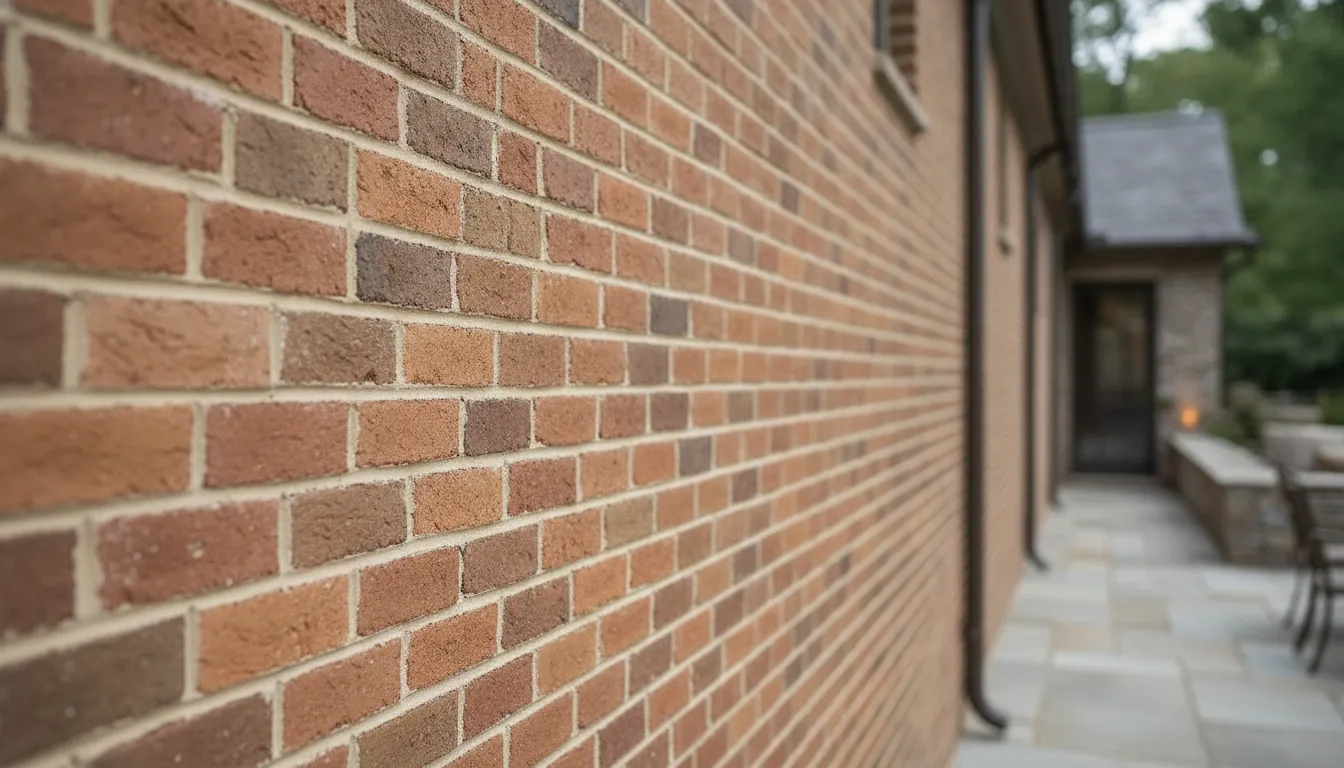
- Mortar joints: Missing, recessed, powdering, cracked, or mismatched joints can allow water behind the face of the wall.
- Masonry units: Spalled brick, cracked stone, displaced units, and staining may indicate moisture, movement, or incompatible repairs.
- Transitions: Chimney caps, wall tops, window and door openings, steps, and changes between old and new construction often need special attention.
- Water paths: Gutters, downspouts, slopes, drains, plant beds, patios, and soil levels can all influence how long masonry stays wet.
- Movement: Bowing, stepped cracking, separated joints, or recurring cracks require careful evaluation and may call for an engineer or other specialist.
These observations help separate maintenance from restoration and restoration from a larger structural concern. Homeowners should be cautious of any proposal that promises a permanent result without identifying the source of moisture or movement.
How does repointing preserve brick and stone?
Repointing replaces deteriorated mortar in selected joints while leaving sound masonry in place. The work requires more than filling a joint with new material. The joint is prepared carefully, the new mortar is selected for compatibility, and the finish is tooled to suit the original construction. The objective is to renew the joint while allowing the wall to continue managing moisture in a predictable way.
A restoration plan may specify selective repointing rather than removing every joint. That approach can reduce unnecessary disturbance and preserve more original material. It also creates an opportunity to match the joint profile, color, texture, and aggregate as closely as practical.
The National Park Service's Preservation Brief on repointing mortar joints in historic masonry buildings explains why mortar selection, joint preparation, and workmanship matter in historic masonry. The same principle applies to character-rich residential properties: a visually neat repair is not enough if the materials and technique are poorly matched.
Why do stone and mortar compatibility matter?
Brick and stone need a repair system that respects their strength, porosity, movement, and exposure. A mortar that is too hard or too dense can concentrate stress in an older brick or soft stone unit. A material that is too weak, poorly proportioned, or badly installed may erode quickly. Color is important for appearance, but performance and compatibility should come first.
| Restoration consideration | What it affects | What to discuss |
|---|---|---|
| Existing masonry | Strength, absorption, and appearance | How the original brick or stone responds to moisture and seasonal change |
| Mortar composition | Joint performance and stress distribution | Whether the proposed mortar is compatible with the existing wall |
| Joint profile | Water shedding and visual character | How the finished joint will match the original construction |
| Exposure and drainage | Drying time and recurring deterioration | What roof, grade, paving, and landscape changes are needed |
Testing a small area or reviewing a concealed location can help the team compare a proposed repair with the existing wall before work expands. For a premium home, that careful start protects both the material and the design intent.
Explore Esposito Artisan Masonry's custom stonework and restoration capabilities.
How does water management protect restored masonry?
Water management is part of masonry restoration, not an optional finishing detail. Mortar joints and masonry units can tolerate normal weather exposure when water can drain and dry as intended. Problems become more persistent when a downspout discharges beside a foundation, soil is raised against a wall, paving slopes toward the home, or a planting bed keeps the base damp.
A restoration review may consider:
- Gutter and downspout discharge locations
- Grade and surface drainage around foundations
- Joint conditions at caps, sills, steps, and transitions
- Water trapped by adjacent paving or hardscape
- Plant roots, irrigation, and soil contact near the wall
- Whether a drain, swale, flashing repair, or other specialist detail is needed
Improving drainage does not mean changing every landscape feature. It means understanding how the existing site interacts with the masonry and choosing the least disruptive correction that addresses the cause. DiSabatino's integrated design-build approach can be valuable when restoration touches hardscaping, grading, planting, or exterior remodeling at the same time.
When should a homeowner call for artisan masonry expertise?
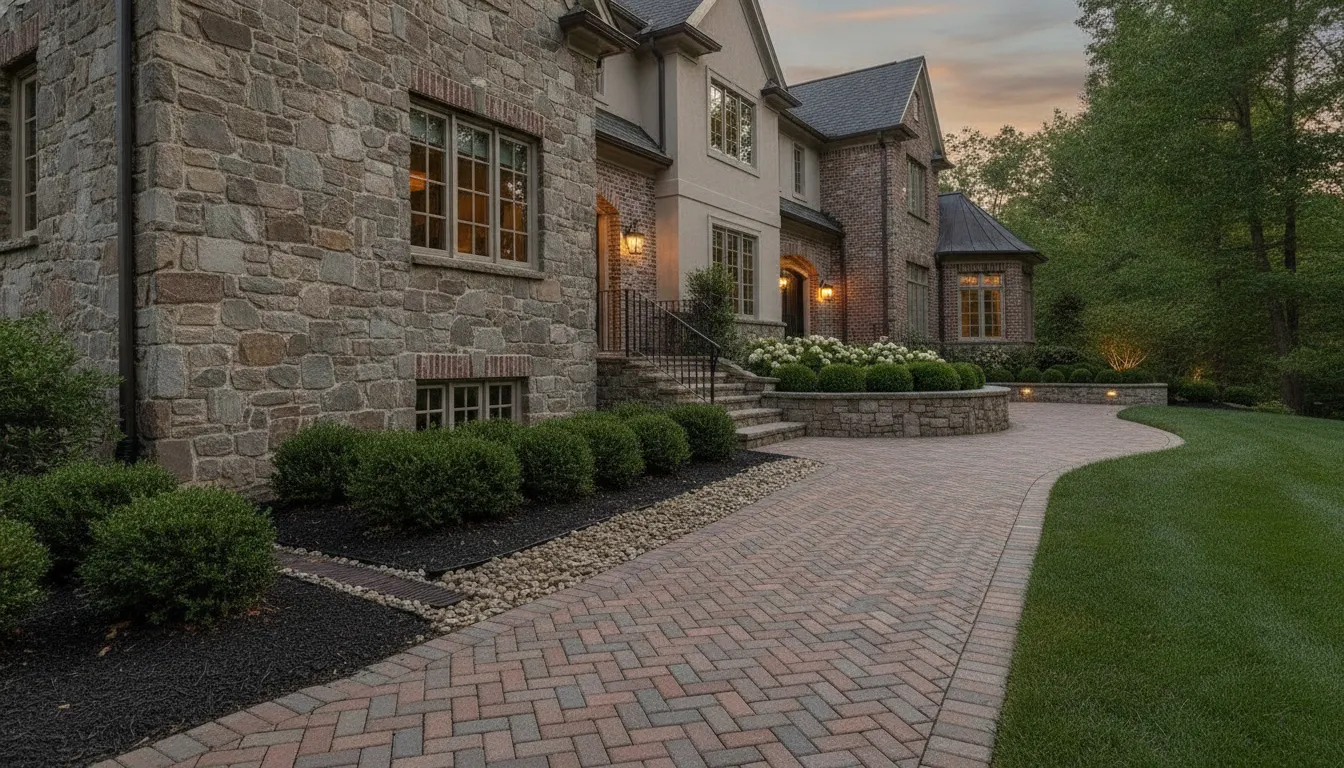
Call for a professional review when damage is recurring, widespread, difficult to reach, or connected to a valuable or historically significant part of the home. Artisan expertise is especially helpful when a new repair must blend with old brick or stone, when several materials meet, or when the work is part of a larger exterior renovation.
Signs that merit a closer look include:
- Mortar that is crumbling, missing, or noticeably recessed
- Brick faces that are flaking or breaking away
- Stone that is cracked, shifting, or separating from adjacent work
- White staining or dampness that returns after cleaning
- Cracks that widen, step through joints, or reappear after repair
- Water entering around a chimney, foundation, window, door, or retaining wall
- A previous patch that is visibly harder, darker, or less porous than the surrounding masonry
Not every symptom indicates an emergency, and a blog post cannot diagnose a wall. The prudent next step is a documented site review, followed by structural or specialty evaluation when the condition warrants it.
What does a masonry restoration project involve?
A well-managed project gives the homeowner a clear path from observation to scope. At DiSabatino, the broader process begins with a consultation and site assessment, then moves through design development, detailed planning, proposal, scheduling, construction, and a final walkthrough. For masonry restoration, the sequence should be adapted to the property's materials and the level of deterioration.
A typical planning conversation covers:
- The home's history, visible symptoms, and previous repairs
- Access, protection of landscaping, and areas that need selective opening
- Material samples, mortar compatibility, and the desired visual result
- Drainage or hardscape conditions that could undermine the repair
- Whether engineering, permitting, or another specialist is appropriate
- Phasing, site protection, cleanup, and final quality review
That level of coordination matters when masonry is connected to a broader property. The right restoration should look intentional, respect the existing architecture, and leave the homeowner with a better understanding of how to protect the work.
Contact DiSabatino at (302) 764-0408 to discuss masonry restoration for your Delaware Valley home.
Masonry restoration FAQ
What is the difference between masonry restoration and repointing?
Repointing is one part of masonry restoration. It focuses on renewing deteriorated mortar joints. Masonry restoration may also include repairing or replacing damaged brick and stone, correcting water-management issues, rebuilding selected sections, and coordinating structural review when needed.
Can old brick be repaired without replacing the whole wall?
Often, a targeted repair can address deteriorated joints or a limited number of damaged units while preserving sound original masonry. The right scope depends on the extent of damage, the cause of deterioration, and whether the wall is stable. A professional inspection should guide that decision.
Why can modern mortar be a problem for an older brick home?
Older brick and stone may be softer or more porous than newer repair materials. A mortar that is too hard or dense can shift stress into the masonry units and make future deterioration harder to manage. Compatibility should be evaluated before a repair material is selected.
Does masonry restoration fix drainage problems?
Masonry restoration can identify and address some drainage conditions, such as poor grading, problematic downspout discharge, or water trapped beside paving. More complex drainage or structural conditions may require a separate specialist. The key is to correct the water source rather than only patch the visible symptom.
How do I plan masonry restoration for a Delaware Valley home?
Start with a site-specific consultation that reviews the existing brick or stone, mortar joints, water paths, access, and the home's design. DiSabatino and Esposito Artisan Masonry can help homeowners understand the appropriate next steps for custom stonework and restoration planning.