
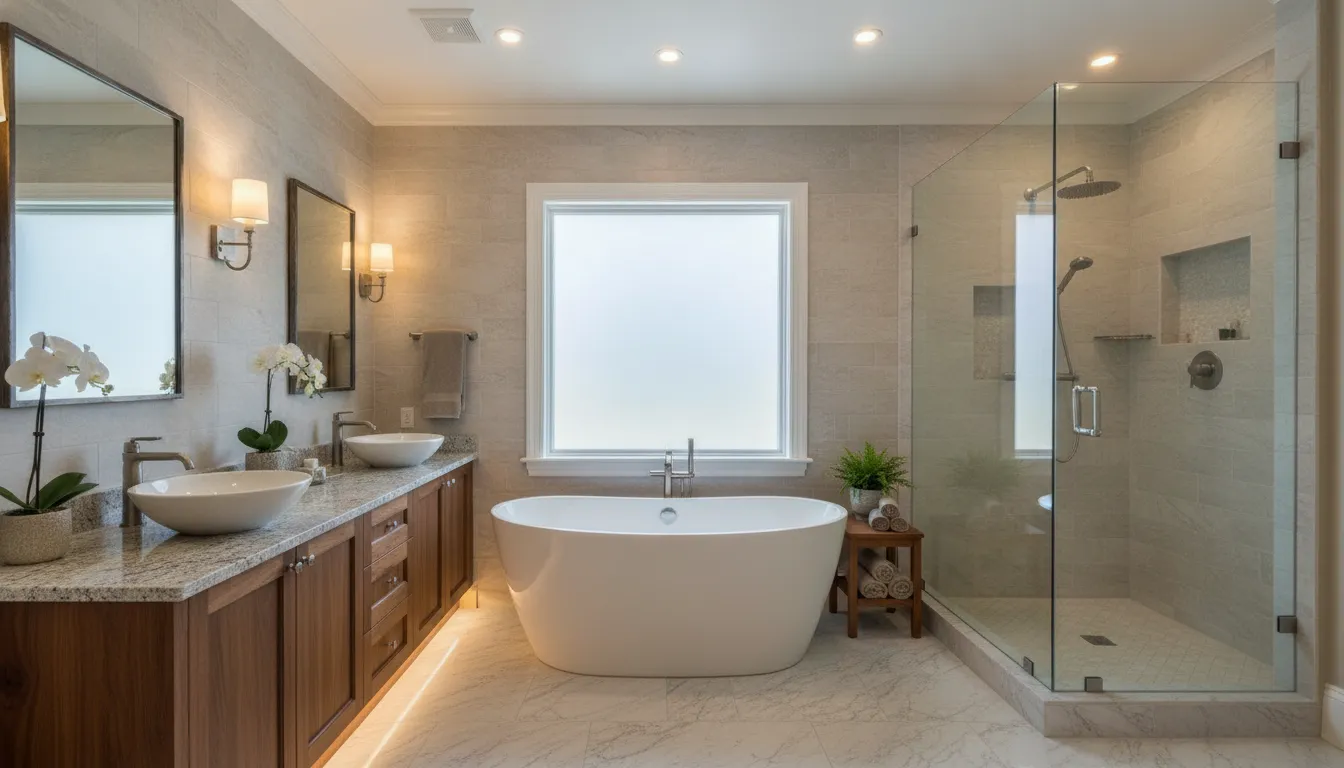
A bathroom renovation rarely turns on one fixture or finish. The investment reflects the complete project: the room's layout, existing systems, selected materials, craftsmanship, and the planning needed to coordinate each phase.
Explore DiSabatino's bathroom remodeling services or call (302) 764-0408 to discuss your project.
Because every home and scope is different, bathroom remodel cost is best understood through a project-specific assessment. A custom primary bath, guest bath, and powder room can involve very different design decisions, site conditions, and levels of detail.
For Delaware Valley homeowners, start by understanding what a proposal includes. Then consider which choices shape the result. That clarity makes it easier to evaluate quality, timing, and long-term value together.
What Does Bathroom Remodel Cost Really Include?
There is no universal answer to the question, "What does bathroom remodel cost include?" A renovation may be a focused cosmetic update. It may also be a coordinated transformation involving design, construction, plumbing, electrical work, and approvals. Define the scope before comparing proposals.
DiSabatino quotes bathroom projects individually. The company does not publish a standard bathroom price list or cost range. A site assessment and detailed planning account for existing conditions, design intent, and finish level. Explore the bathroom remodeling services page for context on the custom approach.
Cosmetic updates and full renovations
A cosmetic project may focus on paint, hardware, lighting, mirrors, or selected fixtures while keeping the existing layout. A more comprehensive renovation can include a custom vanity, new tilework, modern fixtures, a rain shower, a double vanity, and coordinated lighting. The difference is not just the number of products selected. It is also the design, demolition, installation, and coordination required to deliver the finished room.
Layout, systems, and site conditions
Moving a sink, toilet, shower, or tub can affect plumbing, electrical work, walls, flooring, ventilation, and lighting. Existing conditions also matter. An established home may reveal structural concerns, outdated wiring, plumbing issues, water damage, or access limits after work begins. Investigate these conditions through planning rather than treating them as surprises after proposal approval.
Materials, labor, and permits
Selections influence both the look and the work involved. Tile format, installation pattern, vanity construction, fixtures, glass, lighting, and hardware each require product decisions and skilled installation. Labor includes more than final installation. It may encompass protection, demolition, preparation, trades, supervision, cleanup, and quality checks. Depending on scope and local requirements, permits and approvals may also be part of the plan.
A meaningful bathroom remodel cost discussion connects each allowance and line item to scope, selections, site conditions, schedule, and responsibility. This makes a premium renovation easier to evaluate. It also reduces the risk of comparing proposals that describe very different projects.
| Project dimension | Questions to clarify |
|---|---|
| Scope | Which rooms, surfaces, systems, and finish details are included? |
| Existing conditions | What is known about plumbing, electrical, framing, ventilation, and moisture? |
| Selections | Which fixtures, tile, cabinetry, lighting, and hardware are selected or still allowances? |
| Delivery | Who coordinates design, permits, trades, schedule, supervision, and the final walkthrough? |
Which Bathroom Choices Shape the Investment Most?
The most meaningful decisions often relate to underlying conditions and the level of customization you want. A thoughtful plan considers how the space should function, what must change behind the walls, and how finishes will work together over time.
Layout, plumbing, and electrical conditions
Changing the existing layout can have a greater planning impact than replacing a finish in place. Moving a shower, toilet, or vanity may affect plumbing routes, ventilation, waterproofing, and structural access. Electrical updates may support lighting, heated features, outlets, or modern fixtures. The room's condition matters as well. Concealed moisture, uneven framing, outdated wiring, or other site conditions can require decisions that photographs cannot settle.
That is why an assessment of the room should happen before selections are finalized. It helps distinguish the improvements that define the design from the work required to make the bathroom safe, durable, and properly coordinated.
Custom cabinetry, tile, and fixture selections
Custom vanities can be designed around storage needs, proportions, and the character of the home. Tilework adds choices around material, scale, pattern, grout, edges, and installation complexity. A simple field tile can create a very different result from a detailed layout with multiple transitions and feature surfaces.
Fixtures shape both appearance and daily comfort. Modern fixtures, rain showers, and double vanities may support household routines. Their placement and clearances must still work with the overall plan. Lighting deserves the same attention. A considered mix of ambient, task, and accent lighting can make the room easier to use and help architectural details read as intended.
- Layout: Determine whether the existing arrangement supports the desired function before committing to finishes.
- Infrastructure: Review plumbing, electrical, ventilation, waterproofing, and concealed conditions.
- Materials: Coordinate cabinetry, tile, countertops, hardware, and grout for a cohesive result.
- Fixtures and lighting: Match performance and placement to the household's routines.
There is no universal bathroom remodel cost because these variables differ from one home to the next. DiSabatino documents bathroom projects individually, with custom planning intended to address details before construction begins. Homeowners can explore the company's bathroom remodeling services to see how design, materials, and construction are considered together.
How Can You Plan a Premium Bathroom Remodel?
A premium renovation is easier to evaluate when the decisions are made in the right order. Rather than beginning with isolated fixtures or finishes, establish the project goals, understand the existing space, and develop the design before finalizing the construction plan. This gives homeowners a clearer basis for discussing bathroom remodel cost and helps identify open questions before work begins.
- Begin with a consultation. Discuss how you use the bathroom, what is not working, and what you want the finished room to accomplish. This is also the time to consider priorities such as improved storage, accessibility, lighting, or a more comfortable primary suite.
- Assess the existing site. A site assessment examines the room's current layout and conditions that may affect the work. Existing plumbing, electrical systems, structural details, ventilation, and access all deserve attention before the design is finalized.
- Develop the concept. Establish the overall direction for the room, including layout, proportions, materials, and the relationship between functional and aesthetic choices. The concept should reflect the home's character and the homeowner's priorities.
- Move into design development. Refine the selected direction through decisions about cabinetry, tilework, fixtures, lighting, showers, vanities, and other details. At this stage, the design should become specific enough for the practical implications of each choice to be understood.
- Complete detailed planning and specifications. Document the selections, dimensions, construction requirements, and responsibilities that define the project. Careful specifications reduce ambiguity and make it easier to compare the proposed scope with the intended result.
- Review the proposal and contract. Before signing, confirm the scope of work, selections, allowances, contingencies for existing conditions, payment terms, communication expectations, and the process for handling changes.
- Secure permits and approvals. Required permits and approvals should be addressed before construction begins. The specific requirements depend on the project and its location, so they belong in the planning conversation rather than being assumed.
- Set the schedule. Coordinate material availability, approvals, site readiness, and the construction sequence. DiSabatino reports a typical bathroom renovation duration of three to six weeks, but scope, selections, approvals, and site conditions can change the schedule.
- Build, review, and complete the walkthrough. During construction, project supervision and phase checkpoints help keep the work aligned with the plan. At completion, a final walkthrough provides an opportunity to review the finished details and address remaining items.
For a closer look at how these stages connect, review Our Process. A coordinated design-build plan gives you a more useful framework for evaluating investment than a single number considered without scope or site context.
Is a High-End Bathroom Remodel Worth the Cost?
For many homeowners, the value of a high-end bathroom renovation is not captured by a single number. It is reflected in how comfortably the room works every day, how well its materials hold up, and how confidently the finished design fits the home. A thoughtful remodel should solve practical frustrations while creating a space that feels considered rather than assembled from disconnected choices.
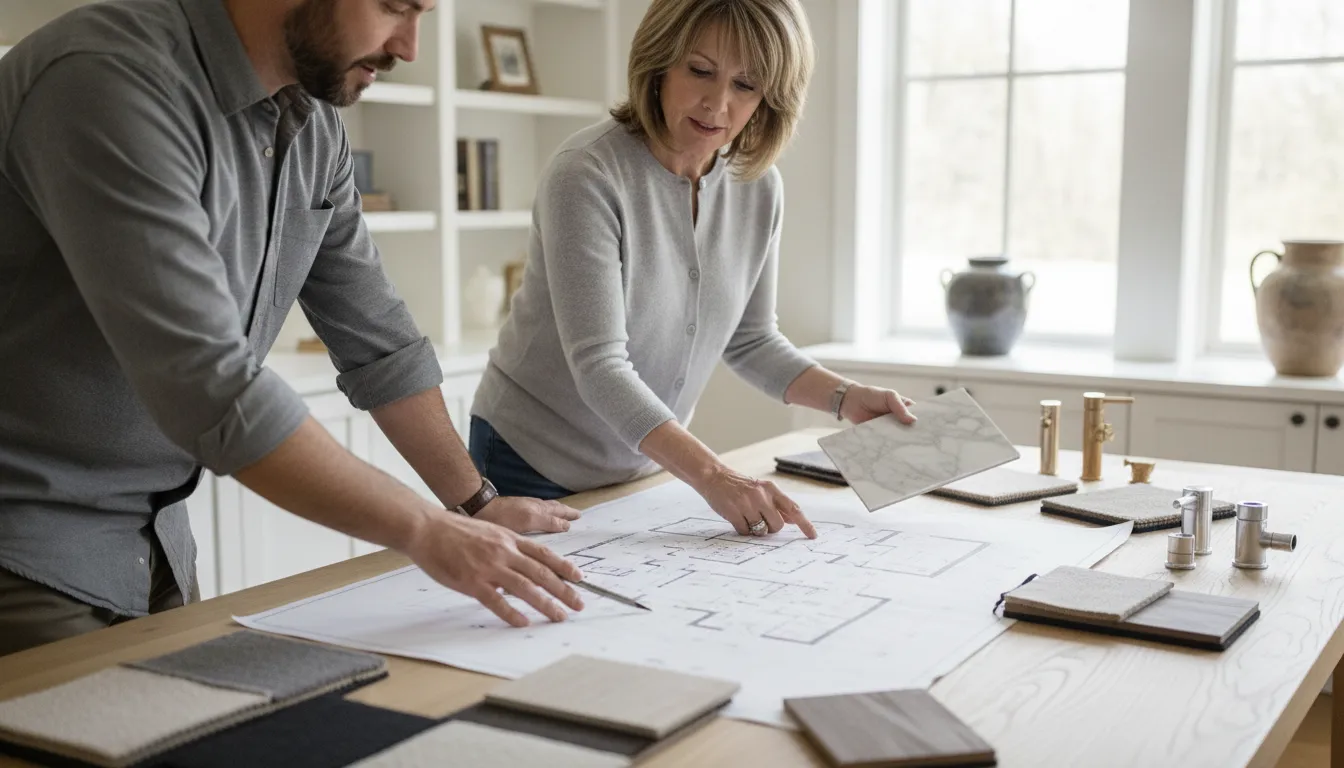
Value begins with daily function
A bathroom can be beautiful and still feel inconvenient. An improved layout may make circulation easier, provide more useful storage, or create a better relationship between the vanity, shower, tub, and toilet. Details such as a custom vanity, double vanity, rain shower, considered lighting. And modern fixtures can be selected around the household's routines instead of forced into a standard package.
Accessibility can be part of that planning as well. A curbless or more easily entered shower, thoughtful clearances, stable surfaces, and well-placed lighting may support changing needs without making the room feel institutional. The right decisions depend on the existing space and the people who use it.
Durability and design coherence matter
Premium value also comes from choosing materials and details that work together. Tile, plumbing fixtures, cabinetry, lighting, hardware, and paint should support one design direction and suit the demands of a humid, frequently used room. A coherent plan helps prevent last-minute substitutions and visual compromises during construction.
Quality execution is equally important. Careful preparation, skilled installation, supervision, and review at key project phases help turn a design into a finished room that feels resolved. That is especially important when existing plumbing, electrical, or structural conditions require decisions during the work.
A coordinated experience reduces the burden
For busy homeowners, value can include having design decisions, specifications, scheduling, construction, and communication organized through one coordinated process. DiSabatino's interior renovation and design-build services are intended for homeowners who want that level of planning and oversight, rather than separate contractors managing isolated parts of the project.
The best answer to whether a remodel is worth the bathroom remodel cost is personal. Consider how long you expect to use the space, which problems need solving, and whether the proposed design improves both comfort and confidence in the finished result.
What Should You Ask Before Approving a Bathroom Proposal?
A proposal is easier to evaluate when it explains more than a total. Before approving one, ask how the number was built and what assumptions sit behind it. These questions can help you compare scope, planning, and accountability rather than treating the lowest figure as the most complete answer.
- Scope: Does the proposal clearly identify demolition, layout changes, plumbing, electrical work, waterproofing, tile, cabinetry, fixtures, lighting, painting, and cleanup? Ask what is included and what is excluded.
- Existing conditions: How will concealed plumbing, wiring, framing, ventilation, moisture, or structural conditions be evaluated? If the team discovers an unexpected condition, how will it be documented, priced, and approved?
- Selections and allowances: Which products have been selected, and which remain allowances? Confirm the basis for each allowance, who coordinates orders, and how changes affect the bathroom remodel cost.
- Permits and approvals: Who handles required permits and inspections? Ask when approvals need to be in place and whether the schedule accounts for them.
- Schedule: What are the planned start and completion dates? Ask how long selections, material lead times, approvals, and site conditions could affect the sequence.
- Communication and supervision: Who is your day-to-day contact? How often will you receive updates, and who supervises the work and coordinates the trades?
- Final walkthrough: What is the process for reviewing the finished work, documenting outstanding items, and confirming that fixtures, finishes, and details meet the agreed scope?
A thoughtful proposal should make these answers visible before construction begins. DiSabatino's documented process moves through consultation, site assessment, design development, detailed specifications, proposal and contract, permits, scheduling, construction, and a final walkthrough. Review the design-build planning process to see how those stages support a more coordinated decision.
Call DiSabatino at (302) 764-0408 to discuss your bathroom renovation questions.
Frequently Asked Questions
How much does it cost to rip out and replace a bathroom?
There is no responsible single figure for a complete bathroom replacement. The investment depends on the room's size, layout, plumbing and electrical conditions, demolition needs, site conditions, and the materials and fixtures selected. DiSabatino quotes bathroom projects individually after understanding the scope and design direction.
Can I renovate my bathroom on a limited budget?
A limited budget may be suitable for a focused cosmetic update in some homes. But it should not be treated as a dependable budget for a fully customized renovation. Confirm whether the scope includes design, demolition, labor, permits, tilework, cabinetry, fixtures, lighting, and allowances for conditions discovered after demolition.
What should I decide before requesting a bathroom proposal?
Clarify how you want the room to function, whether the layout will change, which features matter most, and the level of finish you expect. It also helps to discuss storage, lighting, accessibility, plumbing locations, material selections, schedule expectations, supervision, and how changes will be handled.
How long does a bathroom renovation usually take?
DiSabatino reports a typical bathroom renovation duration of three to six weeks. That is a general reference, not a guarantee. The actual schedule can change based on project scope, selections, approvals, permits, material availability, and conditions uncovered during construction.
When is the best time to renovate a bathroom?
The best time is when your goals, selections, budget parameters, and project plan are sufficiently defined to support a coordinated start. Planning before the work begins gives the design-build team time to assess the site, develop specifications, secure approvals, and schedule construction around your household.
Ready to Plan Your Bathroom Remodel?
A thoughtful conversation can help connect your priorities, existing conditions, design goals, and preferred level of finish to a practical planning path. Call DiSabatino at (302) 764-0408 to discuss your bathroom remodeling project and determine the right next steps for your home. You can also review the bathroom remodeling service in more detail.