
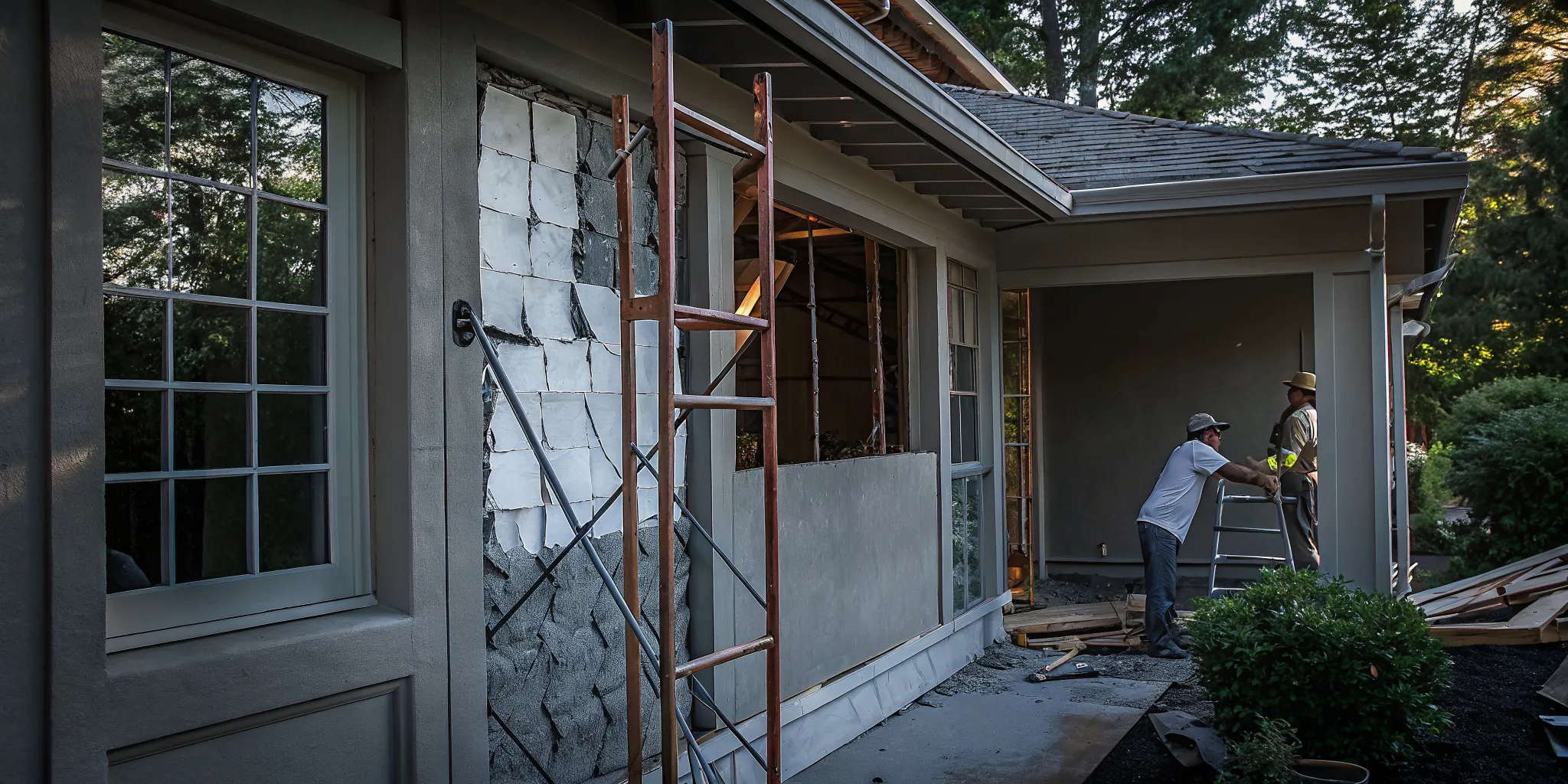
The stucco remediation cost for most homeowners in Pennsylvania and Delaware ranges from $21,000 for standard repairs to $75,000 for a full home replacement. Minor patching for small spots may cost between $900 and $3,000, but these fixes rarely stop deep water leaks. According to data from This Old House, full remediation is the only way to ensure the long term safety of your home's frame. This process involves stripping away the old layers to find and fix rotted wood and hidden mold. Once the frame is dry and stable, a high quality water barrier and new siding are installed. Choosing expert exterior remodeling services ensures your home stays dry for decades. This cost protects your property value and prevents more damage from the wet mid-Atlantic weather.
Signs Your Stucco Needs Professional Remediation
Stucco that is set up well can last for 50 years or more. But many homes in Pennsylvania and Delaware face early trouble because of poor work. This rot often starts around windows, doors, and rooflines. If you see signs of wear, you must act fast to protect your home. A full fix will stop water from hurting your house and your health.
Visible Cracks and Wall Stains
Cracks in your stucco are a common sight for many people. Thin cracks might just be from the house moving over time. But larger cracks often mean water is getting inside the wall. You may also see bulging or bubbling on the outer wall. This happens when moisture gets trapped behind the stucco layer. A white, chalky residue called efflorescence is another red flag. It shows that water is moving through the wall and leaving salts behind.
Small spots of damage might seem like a simple fix. But ignoring these issues can increase the total stucco remediation cost over time. You should check your walls often for these signs of wear.
Musty Odors and Inside Rot
Sometimes the worst damage stays hidden on the inside of your home. You might notice a musty smell in certain rooms that does not go away. This odor often means mold or mildew is growing deep within the walls. Check your window trim for signs of rot or dark water stains. Mold can be a health risk and shows that you have a serious leak.
Homes built between 1990 and 2000 are prone to these issues. If you find these signs, it is time to get expert insight into remodeling costs for a full fix. Waiting too long can lead to much bigger repairs later.
The Danger of Hidden Moisture
Water often enters your home through the seals around your windows. In fact, windows are the top spot for leaks to start in stucco homes. You cannot see the full extent of the wood rot from the outside. Most experts cannot know how much wood is bad until they remove the old stucco.
According to the Pennsylvania Housing Research Center, new rules now require better gaps to let walls dry out. This is why a full check is so needed for the safety of your home. Fixing only the surface will not stop the wood from rotting away behind the scenes. You need a team that finds the root cause of the moisture trap.
Stucco Remediation Cost: What PA and DE Homeowners Should Expect
The cost to fix stucco varies based on the size of your home and the level of damage. For homeowners in Pennsylvania and Delaware, costs can range from a few hundred dollars for minor patches to tens of thousands for a full remediation. It is vital to know these price ranges before you start a project.
Small and Medium Stucco Repair Costs
Minor stucco repairs are often the best fix for small holes or cracks. Fixing a single hole from a bird or a small crack might cost between $250 and $900. These small fixes help prevent water from getting into your walls. If you have many cracks, you might need a medium repair. These projects often cost between $900 and $3,000.
While these repairs cost less, they only fix the surface. They do not address moisture problems that may be hiding behind your siding. If you find signs of mold or rot, you may need to look at a full remediation. You can learn more about project pricing in our home remodeling cost guide.
Full Stucco Remediation Price Ranges
Full stucco remediation is a big cost that removes old siding to fix deeper issues. For a home that is 1,500 square feet, small to medium remediation jobs often start around $21,000. If your home has severe water damage, the price for a full project can reach $75,000 or more. On average, homeowners pay between $8 and $50 per square foot for stucco repairs.
In cases of deep moisture damage, costs can climb as high as $120 per square foot. This happens when the wood sheathing behind the stucco is rotten and needs to be replaced. Proper remediation must follow local rules like the Pennsylvania Uniform Construction Code. These standards help your home stay dry and safe for years to come.
Replacing stucco with fiber cement siding is a common choice during remediation. The material cost for fiber cement often ranges from $12 to $20 per square foot. This option gives you a tough finish that resists rot and fire better than standard stucco.
Key Factors That Drive Project Costs
Some key factors will change the final price of your project. The first factor is the size of your building. Larger homes need more materials and more labor hours to finish. The level of the damage also plays a big role. If water has sat behind the walls for a long time, the repair will be more complex and costly.
The number of windows and doors on your home will also impact your quote. Contractors must seal these areas with care to prevent future leaks. This detail work takes more time and skill. Finally, the skill of your contractor matters. Choosing a team that knows the local climate in PA and DE saves you money in the long run. They will do the job right the first time.
The Stucco Remediation Process Step by Step
Fixing stucco is about more than a new look. It is about keeping your home safe from water for a long time. A full stucco remediation cost often covers many steps to make sure moisture stays out for good. Most projects take between two and six weeks from start to end. This time lets our team find all hidden damage and fix it the right way. We follow our 10-step design-build process to give you a result that lasts.
A clear plan is key to a job that works. We do not just patch the top and hope for the best. Instead, we look deep into the wall to find the cause of the leaks. This step helps us give you a fair price for the work. By doing it right the first time, you save money on later repairs. Our team works hard to keep your yard clean while we work on your walls.
Finding the Root Cause
The work starts with a close look at your home. We use our eyes and moisture tools to find wet spots. This test shows just where water gets in through the stucco. Many leaks start near windows or where the roof meets the wall. We need these facts to plan a fix that will stop more rot. Our architectural design services help map the best path to make your home look its best and stay dry.
Testing gives us a map for the whole project. Without it, we might miss spots that are still wet. We want to be sure your home is dry before we put on new siding. This care is why local homeowners trust us with their homes. We take the time to answer your questions before we start any work.
Restoring the Home's Strength
Once we have a plan, we strip off the old stucco. This part is messy but it must be done to see the damage. After it is gone, we check the wood boards under the wall. If we find rot, we put in new, strong wood to keep your home safe. Then we put in new metal or plastic guards around the edges. These guards move water away from windows and doors where it could cause harm.
Proper water flow is the most vital part of the job. New rules like the Pennsylvania Uniform Construction Code now call for better water flow in these spots. We stay up to date on these codes to protect your home. We use high-grade wraps and tape to seal every gap. This extra care means you will not have to worry about mold or rot again.
Setting Up Your New Siding
The final phase is the best part for most folks. We put up your new siding in the color you pick. Many people in our area pick fiber cement or stone for their new look. These items last a long time and do not rot like wood or stucco. Once the siding is up, we add trim and paint to match your style. This makes your home look brand new and adds value to the house.
The finish work is what makes your home stand out. We pay close care to the small parts that other crews might miss. We want your home to be the best-looking house on the block. After the work is done, we do a final walk to make sure you are happy. Your new siding will keep your family safe and dry for many years to come.
- Professional testing. We use moisture tools to find hidden water damage behind your walls.
- Stucco removal. Our crew strips away the old stuff and takes away all the trash.
- Wood check. We look at the wood frame and swap any rotted parts for new wood.
- Water guards. We put in new seals and guards to keep your home dry for years.
- New siding setup. We install your choice of fiber cement or stone.
- Finish work. Our team adds trim and paint to make the home look its best.
Fiber Cement vs. Stone Veneer: Choosing Your Replacement Siding
Once you finish a stucco fix, you must pick new siding. Most people in Delaware and Pennsylvania choose fiber cement or stone veneer. Both options offer much better safety than old stucco. They help stop water leaks and keep your home safe for years to come. Your choice will change your home's look and the total stucco repair cost for the project.
The Benefits of Fiber Cement
Fiber cement is a mix of sand, cement, and wood fibers. It costs about $12 to $20 for each square foot when set up on your home. This material is very tough. It can stop fire and rot from hurting your house. You can pick from many colors that look like real wood. It often lasts 50 years or more with very little upkeep. This makes it a smart choice for many homeowners who want a fresh start.
Studies show that picking the right wall finish affects long term care. Work from Syracuse University notes that service life is a key factor in siding value. Fiber cement is a top pick because it lasts long without a high price.
The Value of Stone Veneer
Stone veneer gives your home a high end look. It costs more than other siding but adds a lot of value to your property. This material is built to last and stays beautiful for a long time. Many people use it for the lower part of their walls or to mark the front door. Our crew at DiSabatino offers artisan masonry and stone veneer to help your house look its best. It offers a classic style that never goes out of fashion.
Siding Comparison Table
New building rules now call for better ways to handle moisture behind these walls. Research from Penn State University shows that proper air gaps help stop rot in stone and siding. These gaps let water drain and help air flow. Without them, moisture can get trapped and cause damage like your old stucco. We make sure every job follows the latest codes for safety.
| Feature | Fiber Cement | Stone Veneer |
|---|---|---|
| Material Cost | $12 to $20 per square foot | Higher premium cost |
| Lifespan | 50 years or more | Lasts for many years |
| Upkeep Needs | Very low | Almost none |
| Fire Strength | Very high | Top safety |
| Overall Look | Like real wood | Luxury stone style |
| Property Value | Good value gain | Great value gain |
DiSabatino handles both siding types. We make sure your new home exterior looks great and stays dry. Our team can help you pick the best look for your budget and style.
Why Professional Stucco Remediation Protects Your Home's Value
A home is a big asset that needs the right care to keep its worth. When stucco fails, the damage is often deep inside the walls. A professional fix is not just about looks. It is about saving your house from rot that leads to a high stucco remediation cost if left alone. While a quick patch might seem cheap, it rarely stops the water that causes real harm.
The risk of surface patches
Many people try to fix cracks with simple caulk or paint. This is a mistake. Surface fixes only hide the problem while water stays trapped behind the siding. This trapped water leads to wood rot in the frame and walls of your house. Experts at This Old House say stucco can last over 50 years, but only if it stays dry. A pro team finds the source of the leak instead of just covering a crack.
Stopping moisture at the source
True repair is a full process that fixes how your home handles rain. It starts with a new moisture barrier to keep the wood dry. A key part of this work is adding proper flashing around all windows and doors. The Pennsylvania Housing Research Center notes that new codes now require better gaps for drainage to stop water buildup. Using a team that knows these rules keeps your home safe for decades.
Long term value and peace of mind
Working with an expert firm gives you a single point of contact for the whole project. Our exterior remodeling services give you a full plan from design to the final build. This approach stops the blame game between different workers. It also comes with a strong warranty that protects your money. When you go to sell your home, proof of a professional fix makes the house much more attractive to buyers.
Frequently Asked Questions
How much does it cost to remediate stucco?
Total project costs depend on home size and the severity of water damage. For a typical 1,500-square-foot home, remediation expenses often range from $21,000 for moderate repairs to about $75,000 for a full system replacement. According to Fixr, extensive jobs with deep moisture issues can reach $120 per square foot. These figures include removing old material, fixing the wood sheathing, and installing new siding to protect the house structure.
Is stucco remediation covered by insurance?
Most standard home insurance plans do not cover stucco remediation because they view it as a maintenance issue or the result of poor work. Coverage usually only applies if the damage comes from a sudden event, like a storm or fire. Homeowners should check their specific policy rules or speak with a local expert to see if any parts of the exterior water damage repair might qualify. Professional assessments help find the true cause of moisture leaks before you file a claim.
How long does stucco remediation take?
A full exterior remediation project usually takes about two to six weeks to complete. This timeline depends on the size of your home and how much rotted wood needs repair after the old stucco is removed. The work starts with an inspection, followed by the removal of debris and the installation of a new moisture barrier. Choosing a single-source team for exterior remodeling services helps keep the schedule on track by managing every phase of the project.
Can you re-stucco over existing stucco?
Applying new stucco over old layers is not recommended for homes with moisture issues. This method traps existing water behind the walls, which leads to mold and wood rot over time. Proper remediation requires removing the old material to inspect the underlying frame and fix any leaks. Modern codes in states like Pennsylvania now require better moisture gaps to keep walls dry. According to the PHRC, updated standards ensure long-term protection for your home exterior.
Ready to protect your home from stucco damage?
Ignoring stucco cracks can lead to severe wood rot and mold that spreads deep into your walls, costing much more to fix later. Acting now stops moisture from hurting your home today. This helps you avoid the stress of a major failure during the next big storm. Getting ahead of these repairs also ensures you secure a spot on our expert schedule before the busy season begins later this year. Our team provides a full plan to fix your exterior with durable new siding, keeping your home safe and your property investment value high.
Ready to start your project? Call (302) 764-0408 to schedule an exterior consultation and assessment with our design-build experts.