
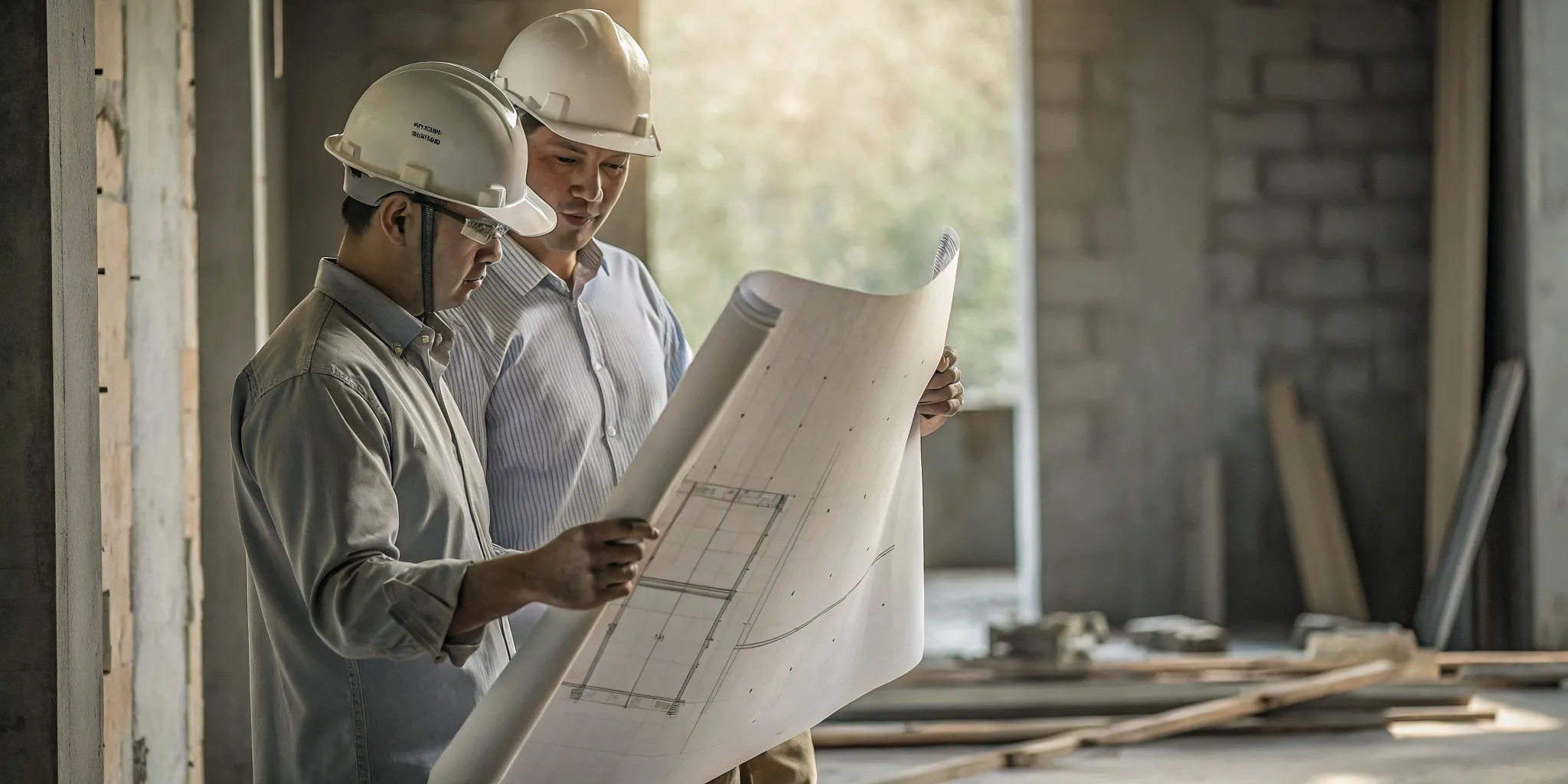
A major renovation involves more than choosing finishes. You are also choosing how the architect, designer, builder, and budget will work together. For homeowners in Delaware and Pennsylvania, that decision can shape the clarity of communication, the predictability of costs, and the experience of living through construction.
The essential difference in design build vs traditional remodeling is how responsibility is organized. Design-build brings design and construction together under one team and contract, while the traditional approach separates the architect and contractor, leaving the homeowner to coordinate between them. For complex renovations, one accountable partner can make the process easier to manage.
Neither model is automatically right for every home. The best choice depends on your project's scope, sequence, and level of coordination required. Start by understanding what each delivery method includes and where the handoffs occur.
Design Build Vs Traditional Remodeling: What Is the Difference Between Design-Build and Traditional Remodeling?
The central difference is how responsibility is organized. In a design-build project, one integrated team manages both the design and construction under a single contract. In traditional remodeling, also called design-bid-build, the homeowner contracts separately with an architect and a contractor, then coordinates communication between them.
How the design-build model works
With design-build, the design and construction professionals work as one coordinated team from the beginning. The same organization can help develop the concept, establish the scope, prepare the design, manage permitting, and oversee construction. Because the work is connected under one contract, the homeowner has one primary relationship and one accountable party throughout the project.
That structure matters most when a renovation involves several trades or connects indoor and outdoor spaces. Decisions about materials, structural changes, drainage, lighting, finishes, and construction sequencing can be evaluated together rather than passed between unrelated firms. DiSabatino's design-build approach is built around this single-point accountability, with an integrated team guiding complex projects from concept through completion.
How traditional remodeling is structured
In the traditional design-bid-build model, the architect typically completes the design first. Contractors then bid on the plans, and the selected contractor takes responsibility for construction. The homeowner holds separate contracts with each party and often becomes the middleman when questions arise about design intent, pricing, scheduling, or responsibility for a change.
Each professional may be highly capable, but the separation can create communication gaps. If a construction condition requires a design revision, or if a material choice affects the budget, the homeowner may need to carry information between the architect and contractor. That additional coordination can make an already significant remodeling project feel less predictable.
Why more homeowners are considering the model
Design-build is no longer a niche alternative. J Schmitt reports that the model is expected to account for nearly half of construction projects by 2026, reflecting growing interest in a more unified delivery process. The appeal is not simply having fewer meetings. It is knowing who is responsible for connecting the major decisions that shape the project's quality, schedule, and execution.
For homeowners comparing design build vs traditional remodeling. The right question is often less about which individual professional is better and more about which project structure provides the accountability and coordination their scope requires.
How Design-Build Streamlines Your Project Timeline
For a residential remodeling project, the difference between a sequential timeline and an integrated one can affect far more than the final completion date. It can determine how long your household works around temporary kitchens, unfinished rooms, construction access, and changing routines.
Traditional remodeling waits for each phase to finish
In a traditional design-bid-build arrangement, the project generally moves from design to bidding and then to construction. The architect completes the plans, contractors review those plans and submit bids, and construction begins after the team is selected and the scope is finalized. Each phase depends on the one before it.
That structure can be appropriate for certain projects, but it creates more handoffs. If a construction detail needs clarification or a material changes during bidding, the homeowner may need to coordinate between separate professionals before work can proceed. A delay in one phase can push every later phase further into the future.
Design and construction can move forward together
With design-build, the design and construction teams work within one coordinated process rather than operating as separate parties. Early construction planning can begin while later design details are being resolved, when the scope allows it. The result is an overlapping workflow instead of a strictly sequential one.
CIC Construction identifies the integrated timeline as a central distinction between design-build and traditional construction, noting that collaboration can streamline workflows and reduce overall project duration: design-build timeline comparison. The precise schedule still depends on permitting, material lead times, site conditions, and the complexity of the renovation. Design-build does not eliminate those realities, but it can reduce avoidable waiting between design decisions and field execution.
For homeowners in Wilmington, the Main Line, Chester County, or nearby Pennsylvania communities, that coordination can make a major renovation easier to live through. A shorter, better-organized construction period may mean less time protecting finished spaces, adjusting family routines, or managing access around the home. For an indoor-outdoor renovation, a unified team can also sequence interior work, exterior improvements, and site access with the entire property in view.
Cost Predictability and Single-Point Accountability
For a major renovation, cost control depends on more than the initial estimate. It depends on whether the people designing the work and the people building it are aligned from the beginning. That is one of the clearest differences in the design build vs traditional remodeling decision.
How design-build protects the budget
In a design-build model, the design and construction teams collaborate as one organization. Scope, materials, constructability, and budget can be evaluated together before work begins. This creates a more informed planning process, rather than asking a contractor to price a finished design without having participated in the decisions that shaped it.
When a budget is established early with all relevant parties at the table, potential conflicts can be addressed before they become expensive revisions. Material selections can be reviewed against the project goals, and design details can be tested against construction realities. This does not eliminate every change order. Homeowners may still adjust their preferences, and existing conditions can always reveal surprises. It does, however, reduce avoidable changes caused by incomplete coordination or assumptions that were never discussed.
Where the traditional process can create escalation
The traditional design-bid-build method separates the architect and contractor. The architect develops the plans, then a contractor bids on that scope. If the bids exceed the homeowner's budget, the project may return to the architect for redesign before it can move forward. Each additional cycle consumes time and can force difficult compromises.
With separate parties communicating through the homeowner, the owner effectively becomes the middleman. That structure can make it harder to determine who is responsible when a detail is unclear or a cost changes. Research from J Schmitt's comparison of the traditional method similarly notes that miscommunication between the architect and contractor can drive project costs higher.
One team, one accountable partner
DiSabatino's concierge design-build model is designed to give homeowners a clear path from initial concepts through construction. Our team coordinates the design, planning, and execution so you are not left managing disconnected professionals. You can review what to expect during the design-build process and learn more about our efficient design-build process.
For complex renovations, that single point of accountability brings practical value. It makes conversations more direct, budget decisions more transparent, and responsibility easier to understand throughout the project.
Which Remodeling Approach Is Right for Your Project?
The right delivery model depends less on a preference for one label and more on the complexity of the work ahead. Consider how many trades must coordinate, whether the project crosses the threshold between indoors and outdoors, and how much responsibility you want to carry during construction.
| Consideration | Design-build | Traditional remodeling |
|---|---|---|
| Best fit | Complex, multi-trade, or multi-phase projects that require close coordination | Smaller or more defined projects with limited trade overlap |
| Project scope | Especially effective when improvements span interior and exterior environments | Often suitable when the work is confined to one area or one primary discipline |
| Communication | One integrated team and a single point of accountability | The homeowner coordinates communication between separate design and construction professionals |
| Homeowner role | Collaborates on decisions while the team manages coordination and execution | Maintains more direct control over selecting and directing separate professionals |
| Primary tradeoff | Requires trust in one firm to guide design, budgeting, and construction together | Offers design autonomy, but requires more time and oversight from the homeowner |
Choose design-build for connected, complex work
Design-build is usually the stronger fit when the project includes several moving parts. A custom addition may involve architectural design, structural work, windows, roofing, siding, and interior finishes. An outdoor living suite may connect a remodeled kitchen to a terrace, lighting plan, hardscape, and landscape. In both cases, decisions in one area affect the others. An integrated team can address those relationships as part of one coordinated plan.
That is where DiSabatino's model is particularly well suited. The company specializes in projects that span interior and exterior environments, from exterior remodeling and interior renovations to luxury landscaping. This single-source structure helps keep the design intent, construction details, and finished experience aligned.
Choose traditional remodeling when autonomy matters most
Traditional remodeling can make sense for a simpler project with a clearly defined scope, limited trade coordination, or a homeowner who wants to direct the design process independently. It may also suit someone comfortable managing separate conversations, schedules, contracts, and decisions between an architect and contractor.
Before choosing, be candid about your available time and the project's interfaces. If a missed connection between trades could affect the whole result, single-point accountability may be worth prioritizing. If the work is straightforward and you prefer to manage each professional directly, the traditional route may be appropriate.
Why Delaware and Pennsylvania Homeowners Choose Design-Build
In the Delaware Valley, a major home transformation often reaches well beyond a single room. A project may connect the character of an older Wilmington home with a new kitchen. A carefully designed addition, improved exterior materials, and an outdoor environment suited to four-season living. On larger properties along the Main Line, in Chester County, or in Delaware County, the work may also involve landscape construction, masonry, lighting, carpentry, and multiple interior trades.
That level of coordination is where an integrated design-build team becomes especially valuable. DiSabatino has served homeowners throughout Wilmington and the surrounding Delaware, Pennsylvania, Maryland, and New Jersey region for more than 30 years. Our regional experience helps us understand the expectations that come with established homes, distinctive properties. And projects that need to feel cohesive rather than assembled one trade at a time.
One team for a more complex scope
With traditional remodeling, the homeowner may need to manage communication between an architect, contractor, landscape professionals, and specialty trades. Each professional can be highly capable, yet the homeowner remains responsible for keeping decisions, schedules, and expectations aligned. For an estate-level project, that coordination can consume significant time before construction even begins.
Design-build places design and construction under one coordinated team. The same organization can carry the project from early concepts through material selections, permitting, construction, and final details. This single-point accountability is particularly useful when an interior renovation must relate to an exterior remodeling plan or when an outdoor living space must work naturally with the architecture of the home.
A better fit for homeowners who value time
The typical DiSabatino project value is approximately $165,000, reflecting the scale and customization of the work many clients undertake. At that level, the experience matters as much as the finished result. Homeowners often want thoughtful design, dependable craftsmanship, and a clear path through a complicated process without serving as the project manager themselves.
For these clients, the question is not simply design build vs traditional remodeling. It is which delivery model provides the oversight, continuity, and confidence the project requires. A design-build partnership gives homeowners one accountable team to guide the full transformation, helping the finished spaces feel intentional from the front entry to the backyard.
Frequently Asked Questions
What is the main difference between design-build and traditional remodeling?
Design-build combines design and construction under one team and one contract. In traditional remodeling, the homeowner typically hires an architect and contractor separately, then coordinates communication between them. A design-build partner provides one point of accountability from initial planning through construction. You can learn more about the design-build approach and how it supports a more coordinated experience.
Is design-build remodeling more efficient than traditional remodeling?
It can be, particularly when a project involves several trades, permitting decisions, or connected indoor and outdoor spaces. Traditional design-bid-build work generally moves from design to bidding to construction in sequence. With an integrated team, some planning and construction coordination can overlap, while designers and builders address practical details together before they become field issues.
Does design-build save money compared with traditional remodeling?
Design-build does not guarantee a lower project price, because cost depends on scope, materials, site conditions, and finish level. It can improve cost predictability by bringing the builder into budgeting and constructability discussions early. That collaboration may reduce avoidable revisions, coordination problems, and change-order risk. The right comparison is total value, not simply the lowest initial proposal.
How does communication differ between the two remodeling methods?
With traditional remodeling, the homeowner may need to relay questions between separate design and construction companies, especially when plans require clarification. Design-build gives the homeowner one primary relationship and a team responsible for coordinating the details. That arrangement does not eliminate decisions, but it makes ownership of questions and next steps clearer.
Which remodeling approach is best for a Delaware or Pennsylvania home?
The best fit depends on your project's complexity, priorities, and desired level of involvement. Traditional remodeling may suit a straightforward scope or a homeowner who wants to direct separate design and construction relationships. Design-build is often well suited to multi-phase renovations, estate-level improvements, or projects that connect interior renovations with exterior remodeling and landscape work.
Ready to Plan Your Remodeling Project?
The right delivery approach can make a complex renovation easier to coordinate and more aligned with your goals. If you are weighing design-build against a traditional architect-contractor process, schedule a consultation with the DiSabatino team to discuss your project, priorities, and next steps. Schedule a consultation with our design-build specialists.